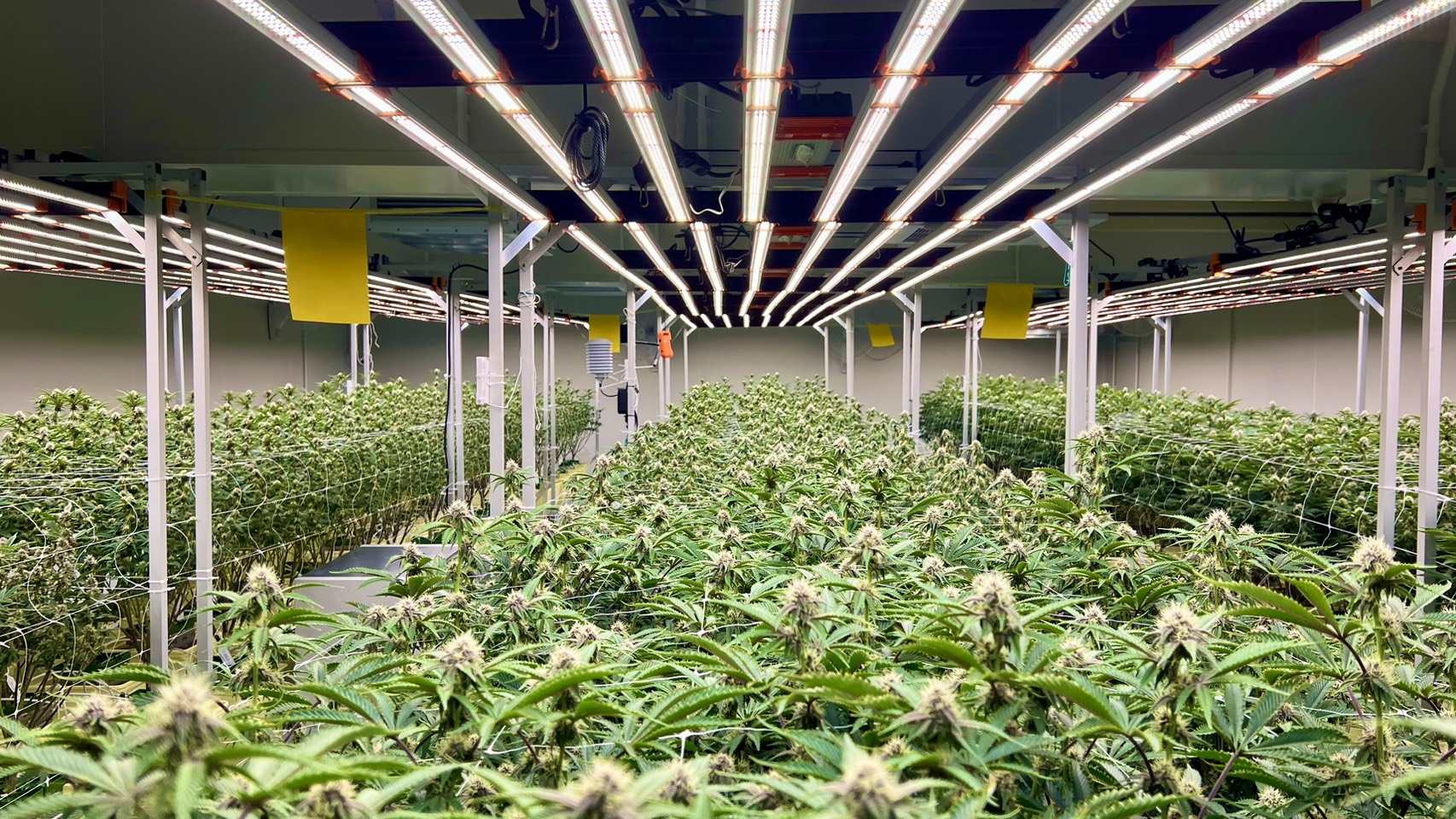
Exporting medical cannabis out of Thailand has never been more tightly regulated — or more achievable with the right support. Following the 2025–2026 regulatory overhaul, every shipment now depends on layered approvals across DTAM, the Thai FDA, and destination-country authorities. This guide breaks down exactly what Medical Cannabis Export from Thailand looks like in practice, and walks through each service tier Elephant Cann offers — from a single feasibility consultation to fully managed, end-to-end export delivery.
1. Why Export Support Matters More Than Ever in 2026
Thailand’s cannabis export environment has shifted dramatically since 2022. New permits are now mandated for studying, exporting, selling, or processing cannabis buds commercially, and entities seeking to import or export cannabis must obtain prior approval from both the Department of Thai Traditional and Alternative Medicine (DTAM) and the Thai Food and Drug Administration (FDA).
The rules tightened further in April 2026. A ministerial regulation on Category 5 narcotics now restricts cannabis and hemp extract activity to four permitted purposes — medical, research, industrial, and narcotics suppression — and a separate regulation adds cumulative criteria for sell, process, and export licences, including premises ownership, dedicated storage, a qualifying health-sector credential, and DTAM-trained staff. Applicants producing cannabis or hemp extracts for medical purposes must also be juristic persons that are not classified as foreign businesses under Thai law — a hard exclusion rather than a preference.
The practical result: export is still legally possible, but only through a narrow, document-heavy pathway. As one Thailand-focused trade compliance firm put it, international cannabis export is not primarily a logistics problem — it is a multi-jurisdictional regulatory obstacle course where every party must align across disparate legal systems, and a single weak link breaks the chain. This is precisely the gap that structured export support is designed to close.
Current authority map: Export controls in Thailand are layered by product type — cannabis flower is controlled through the Ministry of Public Health and DTAM, seeds through the Department of Agriculture, and extracts or finished products through the Thai FDA. Knowing which authority governs your product category is the first decision point in any export plan.
2. The Regulatory Backbone Behind Every Export
GACP Certification Is Now Mandatory, Not Optional
Growers and exporters of cannabis flower are required to hold a GACP (Good Agricultural and Collection Practices) certificate issued directly by DTAM — third-party GACP certification is not accepted for this purpose. Certification takes roughly 90 to 180 days depending on the applicant’s preparedness, and the resulting certificate is valid for three years, aligned with the duration of cannabis sales and export licences. As of the most recent official data, 100% of flower entering the licensed supply chain must originate from GACP-certified farms.
Export Permits and Shipment-Level Documentation
Each shipment must include valid export or import permits, medical certificates, and testing reports verifying THC levels, and customs officers may inspect, seize, or destroy any consignment that fails to comply. Unauthorised cross-border movement of cannabis is a criminal offence under the Customs Act, the Narcotics Act, and the Controlled Herbs Act, with enforcement spanning the Ministry of Public Health, DTAM, the Royal Thai Police, and the Office of the Narcotics Control Board.
Destination-Country Compliance Is a Separate, Equally Strict Track
From a destination-country regulator’s perspective, the fact that Thailand has a legal medical cannabis framework is largely irrelevant to compliance review — what matters is whether the Thai supply chain can meet the importing country’s pharmaceutical and narcotics-control standards. Every export plan therefore needs two parallel compliance tracks running at once: the Thai side (DTAM/FDA licensing, GACP, export permit) and the destination side (import permit, product registration pathway, and customs clearance).
Why this is hard to coordinate alone: A single shipment can touch DTAM, the Thai FDA, the Department of Agriculture (for seed-derived material), Thai Customs, a destination-country narcotics control authority, a destination-country medicines regulator, and the freight/customs broker on both ends. Export support exists to keep these moving in sync — so an approval delay on one side doesn’t strand a shipment that’s already cleared on the other.